
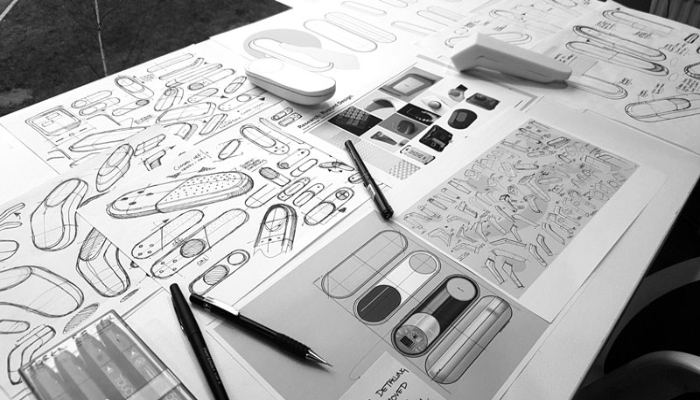
Industrial design is a creative and interdisciplinary process that combines art, science, and technology to create new products or improve existing ones. The primary goal of industrial design is to provide innovative solutions to design challenges that meet users’ needs, enhance functionality, and increase the aesthetics of products.
This article explores the concept of industrial design, its importance, key stages, and its impact on daily life and various industries.
Definition of Industrial Design
Industrial design involves the process of designing products while considering human needs, ergonomics, functionality, and appearance. This field closely connects with engineering, marketing, and visual arts. An industrial designer uses design and 3D modeling software to turn ideas into tangible prototypes that are ready for mass production.
History of Industrial Design
The roots of industrial design date back to the Industrial Revolution in the 18th and 19th centuries. With the advent of machinery and mass production, the need for both functional and aesthetically pleasing product designs grew. By the early 20th century, industrial design had become a formal profession, and many associations and universities began to teach and promote it.
Key Features of Industrial Design
- Focus on Human-Centered Design:
Industrial design prioritizes the needs, desires, and behaviors of users. Products should be designed to create a positive user experience. - Emphasis on Aesthetics:
The appearance of products plays a crucial role in attracting customers. Industrial design blends form and function to make products visually appealing. - Innovation and Creativity:
Industrial designers are always looking for innovative solutions to improve existing products or create new ones.
Main Stages of the Industrial Design Process
- Research and Analysis:
Designers gather information on market needs, consumer behaviors, and competitors. - Ideation:
Designers present their creative ideas using sketches or digital design software. - Modeling and Prototyping:
Digital models are created using 3D software like SolidWorks or Rhino. Then, prototypes are made for testing and evaluation. - Testing and Evaluation:
The designed products are assessed for functionality, ergonomics, and appearance. Feedback from this stage is used to refine the design. - Final Production:
After final adjustments, the product is prepared for mass production.
Applications of Industrial Design
- Automotive Industry:
The design of cars, considering ergonomics, aerodynamics, and aesthetics, plays a key role in the success of car brands. - Home Appliances:
From refrigerators and washing machines to vacuum cleaners, industrial design is crucial in improving the performance and appearance of these products. - Electronics:
Smart phones, laptops, and wearable gadgets are examples of products where industrial design is essential in their creation. - Furniture and Interior Design:
Industrial design plays a fundamental role in creating modern and ergonomic furniture.
Benefits of Industrial Design
- Increased Product Competitiveness:
Attractive and functional design can distinguish products from their competitors. - Improved User Experience:
By addressing user needs, industrial design makes products more functional and user-friendly. - Cost Reduction:
Optimized designs can reduce material usage and production costs. - Environmental Sustainability:
Industrial design helps in using recycled materials and reducing waste.
Impact of Industrial Design on Daily Life
From smartphones to cars and home appliances, industrial design significantly impacts modern life. This process allows us to use beautiful, functional, and durable products that improve the quality of life.
Conclusion
Industrial design combines art, science, and technology to make human life simpler and more beautiful. Focusing on creativity and innovation, it addresses user needs and helps industries improve their products. Understanding the principles of industrial design and utilizing it effectively can lead to greater business success and an improved quality of life for users.
Do you have experience with industrial design, or do you know of a product whose design you find interesting? Share your thoughts with us!


0 Comment