
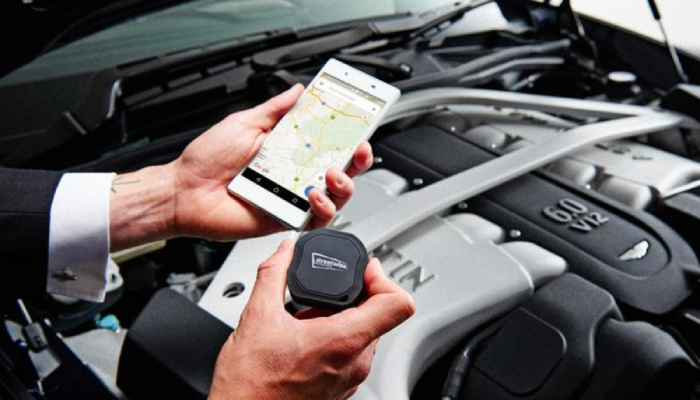
In today’s world, where car theft is on the rise, using a car tracker has become an essential tool for vehicle owners. A car tracker is a small yet powerful device that, with the help of advanced technologies, accurately shows the vehicle’s location. This article explores how car trackers work, their types, and the benefits of using this practical tool.
What is a Car Tracker?
A car tracker is an electronic device that uses GPS (Global Positioning System) technology to determine the vehicle’s location and sends the location data to users. This device collects positional data through GPS satellites and sends it to a central server or mobile application through telecommunication networks (such as GSM or GPRS).
Key Components of a Car Tracker
- GPS Module: This part receives satellite signals and calculates the geographic location.
- Telecommunication Module (GSM/GPRS): This module sends the collected data to the server via telecommunication networks.
- Internal Memory: In case of a network disconnect, location data is stored in the internal memory for later transmission.
- Internal Battery: Some trackers are equipped with an internal battery, ensuring the device continues to work even when the vehicle’s power is off.
How Does a Car Tracker Work?
- Receiving Satellite Signals:
The GPS module receives signals from multiple satellites. Based on these signals, the exact location of the vehicle (latitude and longitude) is calculated. - Sending Information to a Central Server:
The location data is sent through the telecommunication module to a server or database. - User Access to Data:
Users can access the vehicle’s location data via a mobile app or website. - Additional Features:
Many car trackers offer additional features, such as tracking routes, sending alerts for unauthorized movement or car ignition, and remote control (e.g., turning off the fuel supply).
Types of Car Trackers
- Online (Real-time) Trackers:
These trackers send real-time location data, allowing users to view the car’s location instantly. - Offline Trackers:
These trackers store location data in internal memory, and users must retrieve the data later. - Wired Trackers:
These trackers are connected to the vehicle’s electrical system and require professional installation. - Portable Trackers:
These trackers have internal batteries and do not need to be connected to the vehicle’s electrical system.
Benefits of Using a Car Tracker
- Prevention of Car Theft:
With a tracker installed, the vehicle’s location can be pinpointed at any time, enabling quick action in case of theft. - Fleet Management:
Companies can track and manage their fleet, optimizing routes and improving operational efficiency. - Increased Safety:
Some trackers come with crash detection sensors, sending alerts in emergency situations. - Time and Cost Savings:
By analyzing travel routes and fuel consumption, optimal routes can be selected, reducing unnecessary costs. - Timely Notifications:
Some trackers can send alerts for unauthorized ignition or when the vehicle exits a predefined zone (Geofencing).
Important Considerations When Choosing a Car Tracker
- Required Features:
Before purchasing, determine your needs—do you require real-time tracking? Or features like disabling the vehicle or Geofencing? - GPS Accuracy:
The GPS module’s accuracy directly affects the tracker’s performance. Devices with higher accuracy are generally more reliable. - Battery Life:
If using a portable tracker, battery life is an important factor. - Ease of Use:
The app or platform connected to the tracker should be user-friendly and straightforward. - Telecommunication Network Support:
The tracker must be compatible with the telecommunications network in your area. - Subscription Fees:
Some trackers require a monthly or annual subscription for online services.
Applications of Car Trackers in Various Industries
- Fleet Management:
Logistics and transportation companies can enhance their operational efficiency and productivity by using car trackers. - Public Transportation:
Buses and taxis can provide more accurate schedules, improving customer satisfaction with tracking systems. - Car Rental:
Car rental companies use trackers to monitor their vehicles and prevent misuse.
Challenges of Using Car Trackers
- High Initial Cost:
The purchase and installation of car trackers can be expensive. - Constant Network Connection Required:
Tracker performance depends on telecommunication networks, which may pose issues in areas with weak coverage. - Privacy Concerns:
Some users may be uncomfortable with constant monitoring and surveillance.
Conclusion
A car tracker is a practical and effective tool for enhancing security and managing vehicles better. Using advanced technologies like GPS and telecommunication networks, it enables real-time tracking and provides precise data. Given its numerous advantages, a car tracker is essential not only for individuals but also for companies and large organizations.
Have you ever used a car tracker? Share your experience with us



0 Comment